


PremiseJune 2026
Institutional density
Europe is not short of talent, ideas or civic energy. What it lacks is the connective tissue that turns any of them into something durable.
9 minutes
EuroPAC Network Association, Zug
A Swiss non-profit association building a durable pan-European network for leadership formation, intellectual exchange, culture and institutional renewal.
The premise
Europe does not lack talent.
It lacks institutional density.
Europe lacks neither ideas nor civic energy. What it lacks is the institutional density needed to identify emerging leaders, form judgment, connect them across borders and professions, and convert episodic civic energy into durable institutional capacity.
That gap is the reason the association exists. It is addressed one cohort at a time, in person, over years.
What the association does
Formation is the centre of the work. Everything else exists because formation without fellowship, ideas, culture, mentorship and institutions does not survive contact with an ordinary career.

Residential programmes built on primary texts, close reading and moderated argument, where judgment is exercised rather than described.
Information is abundant and cheap. The capacity to weigh a difficult question, hold a position under pressure and revise it honestly is neither.
Cohorts drawn from across the continent and across professions, formed together and kept in contact long after the programme ends.
A lawyer in Lisbon, a founder in Tallinn and an editor in Vienna rarely meet. When they do, and when they have argued seriously together, something durable follows.
Essays, lectures, seminars and public writing that treat European questions with the seriousness normally reserved for scholarship.
Public argument in Europe is often conducted at speed and at volume. There is room for slower work that expects patience from its readers.
Music, poetry, architecture and landscape treated as part of formation, not as decoration around it.
A tradition that is only argued about, and never heard or seen or walked through, becomes an abstraction and is easily discarded.
Sustained relationships between generations, across borders and disciplines, extending well beyond a single programme.
Institutions are transmitted by people who take responsibility for those who come after them. That transmission has to be organised, or it does not happen.
The founding and support of organisations that outlast the enthusiasm that created them.
Civic energy in Europe is episodic. Institutional capacity is what converts it into something that still exists in twenty years.
The long view

Flagship programme
A pan-European leadership formation programme built around intensive residential Academies in Switzerland, adapting a Dutch residential model practised since 2015.
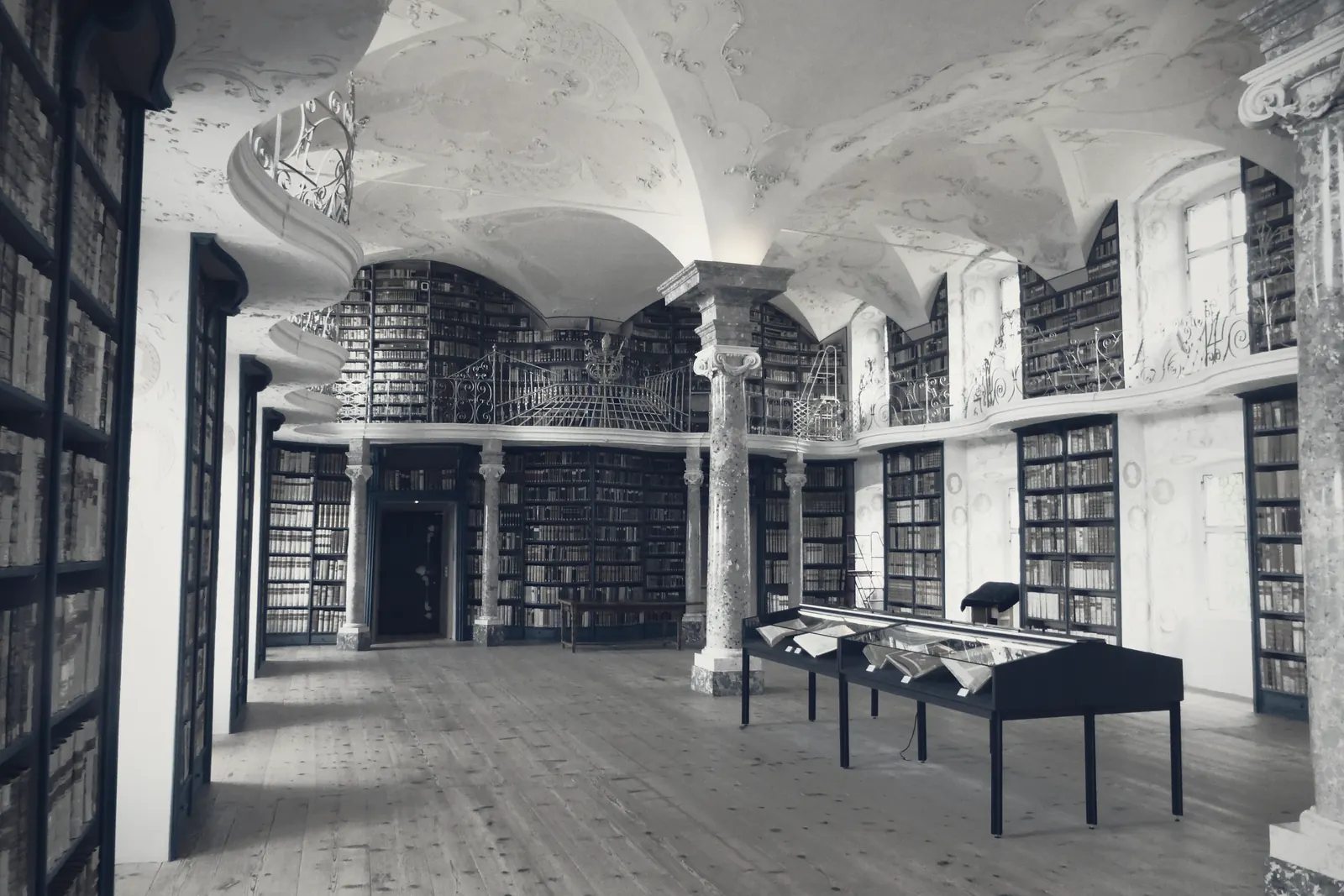
Four days, roughly forty fellows, primary texts read closely and argued over at length. Shared meals, music, poetry, landscape and a formal graduation that marks entry into a network rather than the end of a course.
Across the continent
Fellows are drawn from politics, law, enterprise, technology, journalism, culture, science, academia, public administration and civil society, and from as many countries as each cohort allows.
The governing idea is straightforward: European cooperation should strengthen national responsibility rather than erase it.
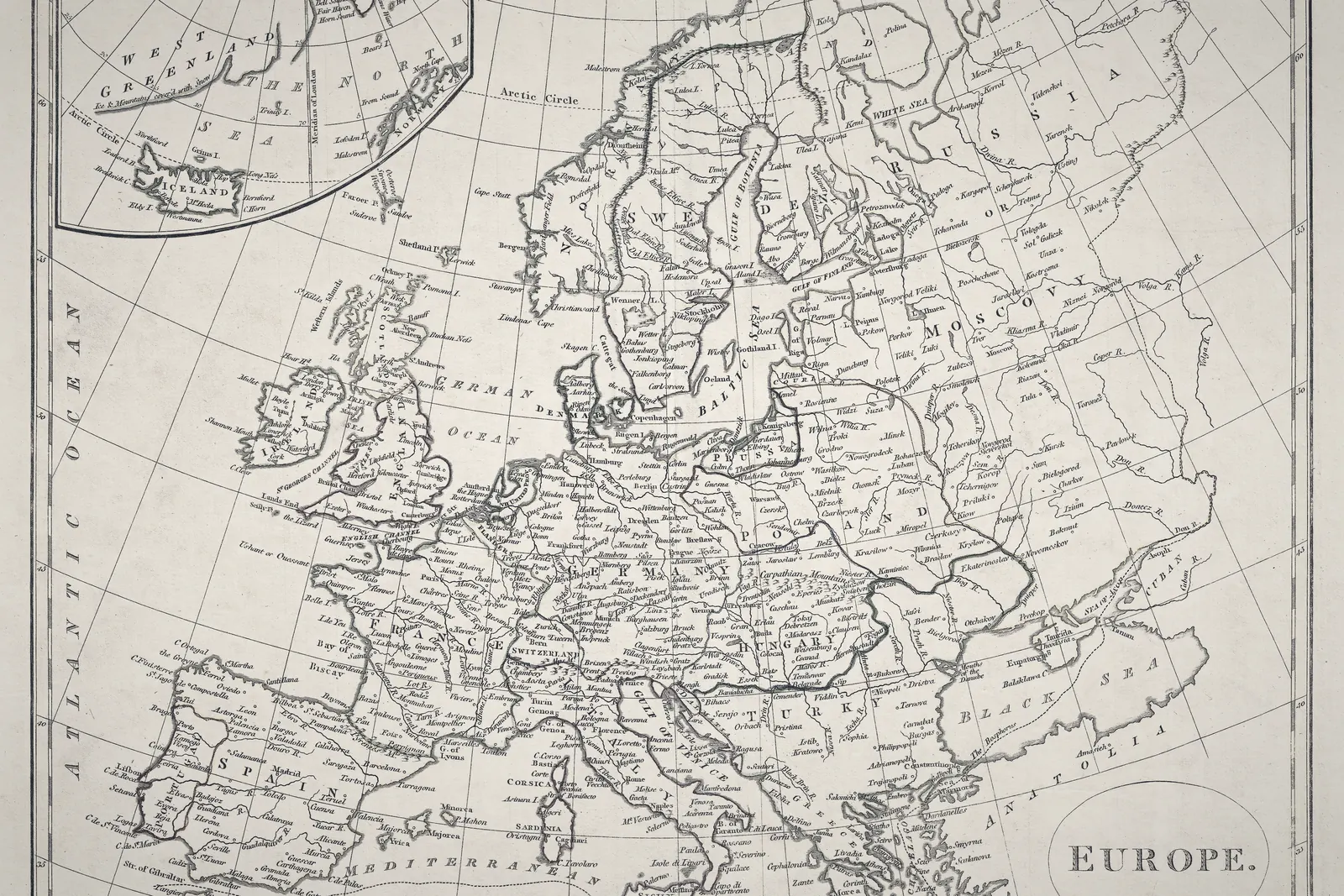
Cities indicate intended reach rather than offices. The association is based in Zug.
Calendar
Spring 2027
Central Switzerland, Switzerland
Academy
The first residential Academy. Thursday afternoon to Sunday afternoon, roughly forty fellows, primary-text seminars, sessions on contemporary self-government, culture and formal graduation.
Autumn 2026
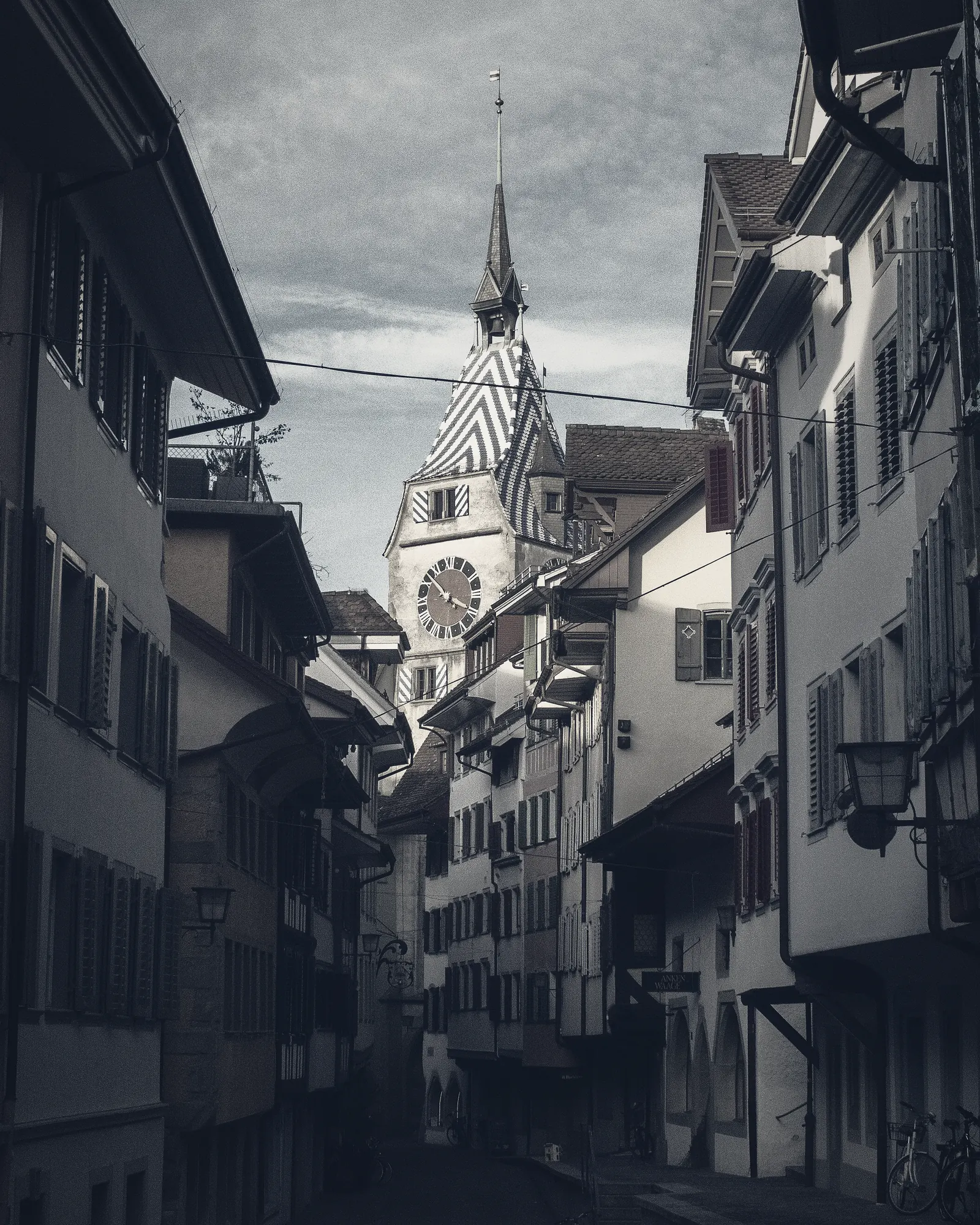
Zug, Switzerland
Lecture
A public lecture on the association's founding premise, followed by discussion and a reception.
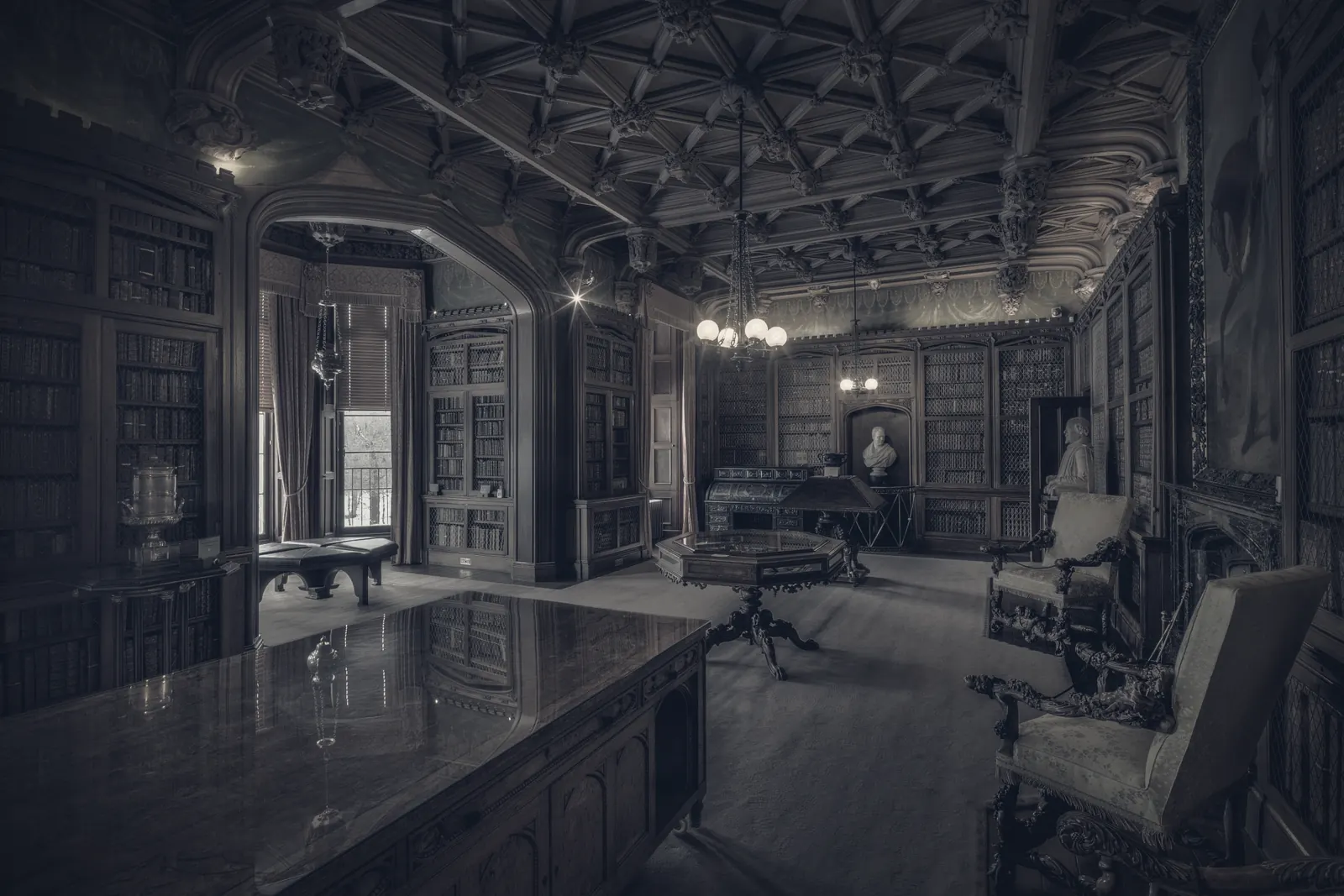
Autumn 2026
Vienna, Austria
Salon
An evening on a single chapter, prepared in advance and discussed at length. Numbers are kept small on purpose.
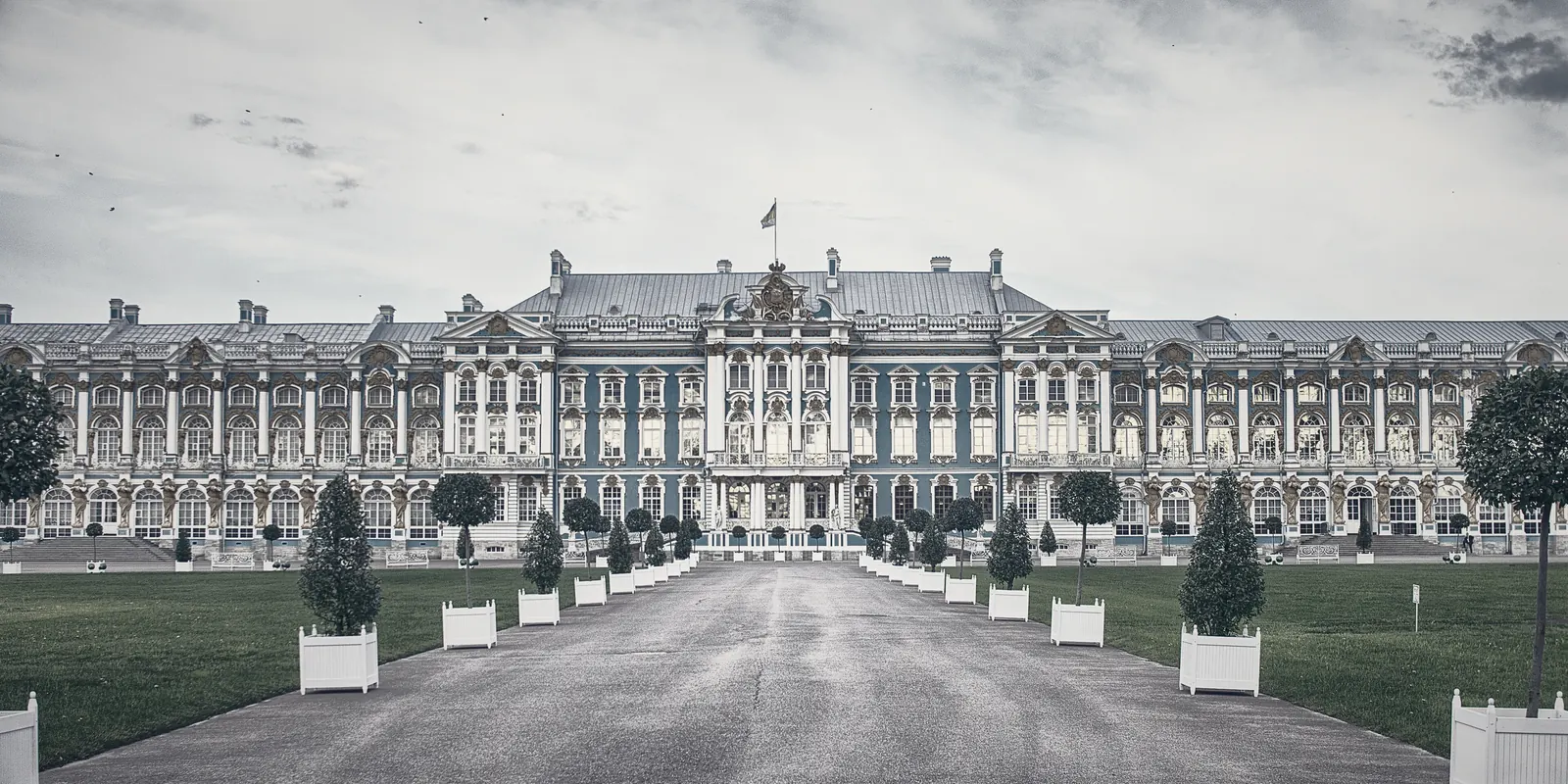
The long horizon
The Academy is the first institution in a larger ecosystem, not the whole of it. Chapters, salons, reading groups, lectures, dinners, concerts, mentorship, residencies, research and publishing follow from it.
The measure of success is simple and slow: fellows who return to the network as mentors, hosts, seminar leaders, employers, donors, founders, writers, teachers and public leaders, and institutions that still exist when they do.
Recurring alumni groups in the cities where fellows live and work, convened locally and connected across the continent.
Small, regular gatherings around a text or a question, continuing the seminar method outside the residential setting.
Public and semi-public occasions that keep the intellectual and cultural life of the network in view.
Deliberate pairing across generations, borders and professions, extending well beyond the year of a fellowship.
Collaborations, research, publications and new organisations founded by fellows who met in a cohort.
Alumni come back as hosts, seminar leaders, mentors, employers, donors and founders. The network is intergenerational or it is nothing.

Zug, Switzerland
Correspondence
